Dubai Property Market Shifts: Record Handovers Coincide with Strategic Slowdown in New Launches
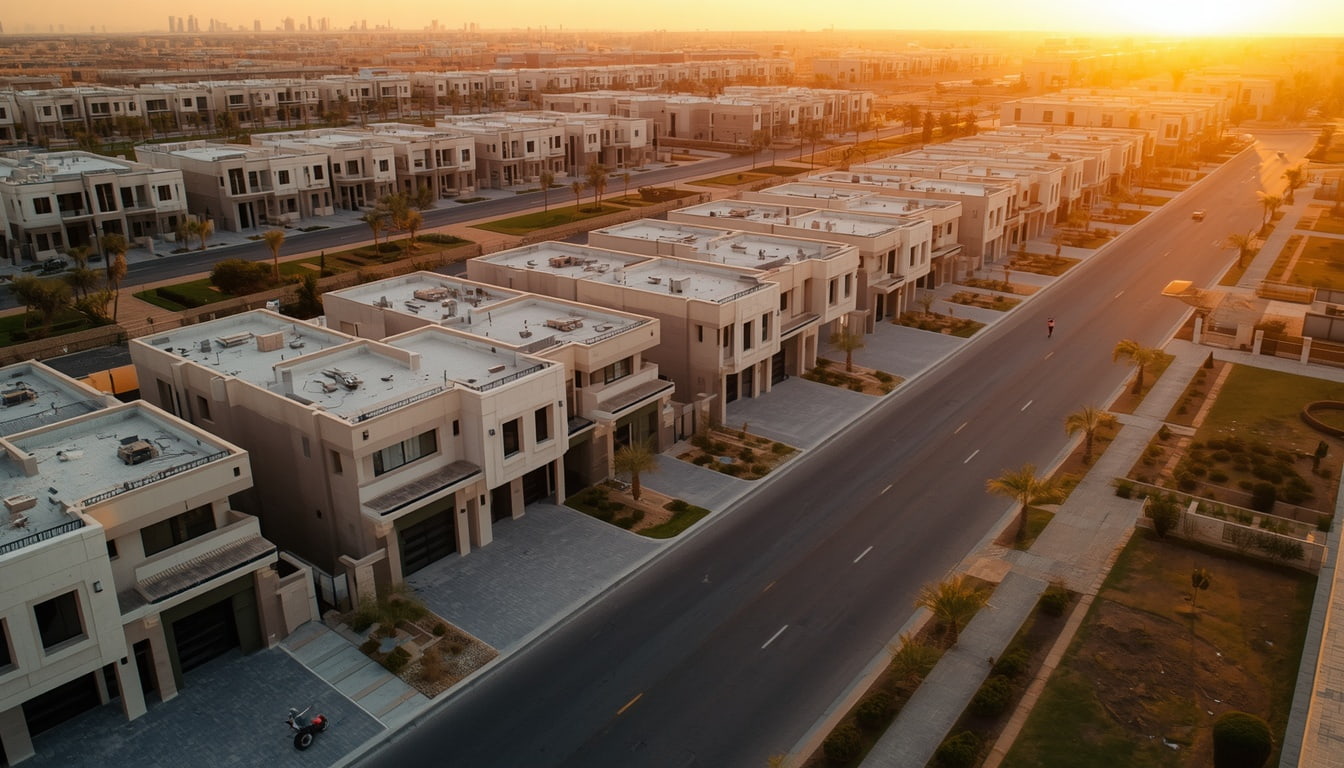
The Dubai real estate market is exhibiting signs of a significant shift towards maturity and stability in the first quarter of 2024. The period was marked by a dual trend: a multi-year high in property handovers, injecting substantial new supply into the market, coupled with a deliberate slowdown in the pace of new project launches by developers.
This dynamic indicates a market that is evolving, with developers now prioritizing the completion and delivery of existing projects over aggressive new rollouts, signaling a phase of healthy consolidation.
A Surge in Handovers: Nearly 12,000 New Units Enter the Market
The first three months of 2024 saw the completion and handover of nearly 12,000 residential units in Dubai, the highest quarterly figure seen in several years. According to data from real estate consultancy CBRE, this new supply was dominated by apartments, with over 10,600 units delivered, alongside more than 1,300 villas.
This influx of new homes was most prominent in key residential communities, including Jumeirah Village Circle (JVC), Mohammed bin Rashid City (MBR City), Dubai Hills Estate, and Business Bay. This surge in completed properties provides more options for both renters and buyers, potentially influencing price dynamics in these high-supply areas.
New Launches Moderate from Record Highs
In contrast to the boom in handovers, the volume of new project launches saw a notable moderation. In Q1 2024, developers launched just over 8,300 new units. While still a significant number, this represents a 22% decrease compared to the same period in the record-breaking year of 2023.
This slowdown is not seen as a sign of market weakness but rather as a strategic adjustment. Taimur Khan, Head of Research at CBRE, explained that this moderation comes after a period of exceptionally high launch activity. Developers are now shifting their focus towards ensuring the timely delivery of their sold-out projects, a move that enhances market credibility and sustainability.
What This Shift Means for the Dubai Property Market
The current market dynamic reflects a maturing real estate ecosystem. The focus on project delivery ensures that promises made to off-plan investors are being fulfilled, which builds long-term confidence. For prospective buyers and tenants, the increased supply of ready units could lead to more competitive pricing and a wider range of choices, particularly in high-density communities.
Simultaneously, the disciplined approach to new launches helps mitigate the risk of future oversupply. By balancing the completion of existing projects with a more measured introduction of new ones, the market is fostering a more stable and sustainable growth environment for the long term.

